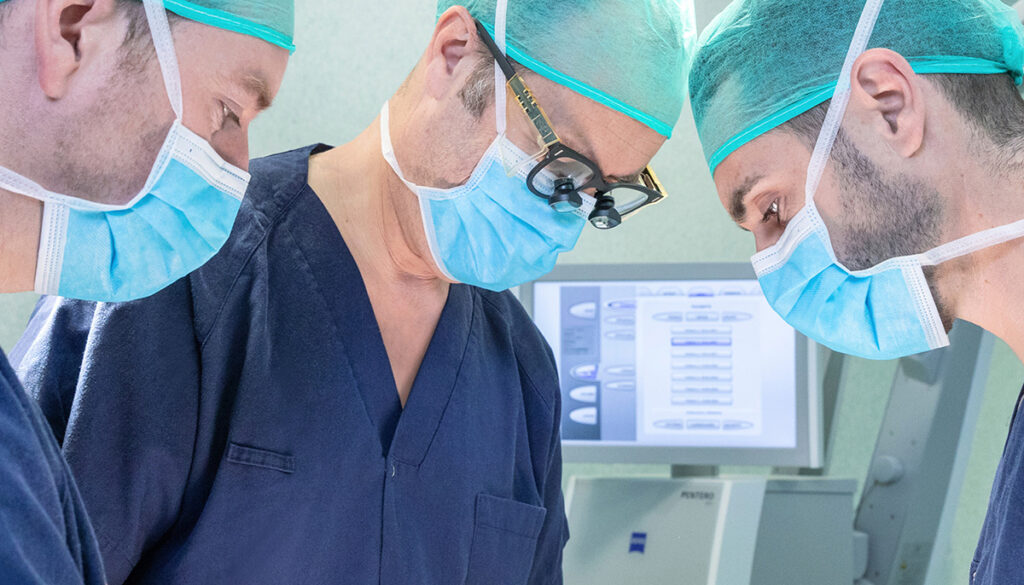
Innovation in the service of a pain-free life
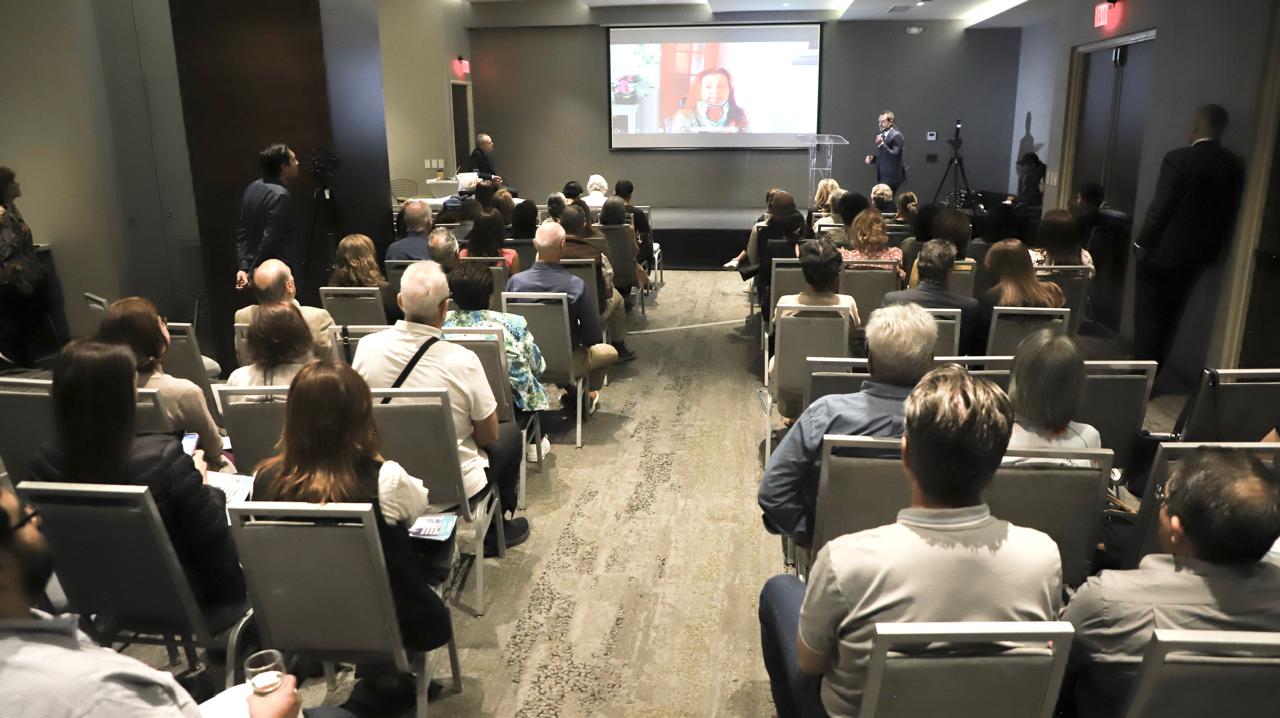
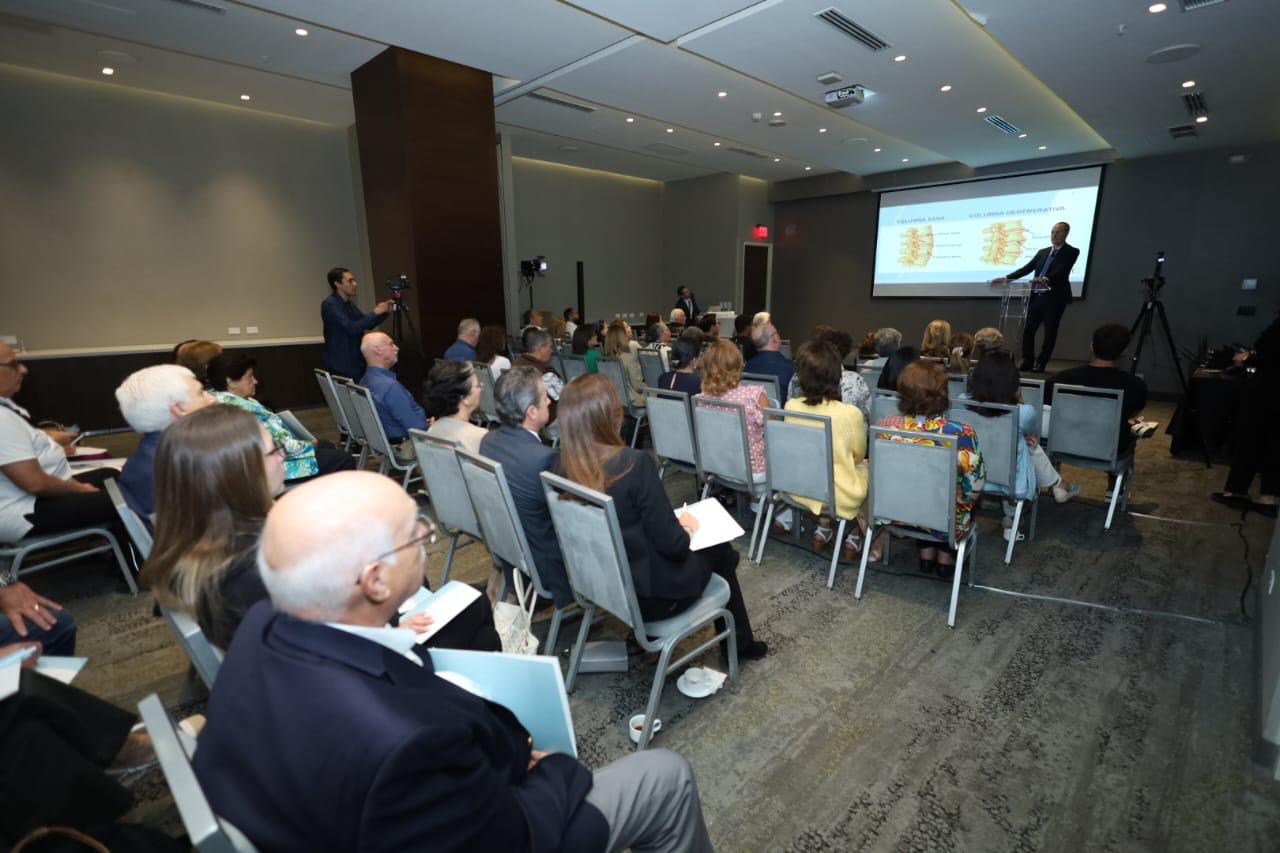
In April 2025, the doctors Pablo Clavel e Ignasi Català, renowned spinal surgery specialists from Clavel Institute of Barcelona, visited the city of Guatemala to share the most recent advances in spinal surgery during the conference “Overcoming challenges for a pain-free future”.
His message was clear: technology is transforming spine surgery, making the procedures increasingly safer, less invasive, and with better outcomes for patients.
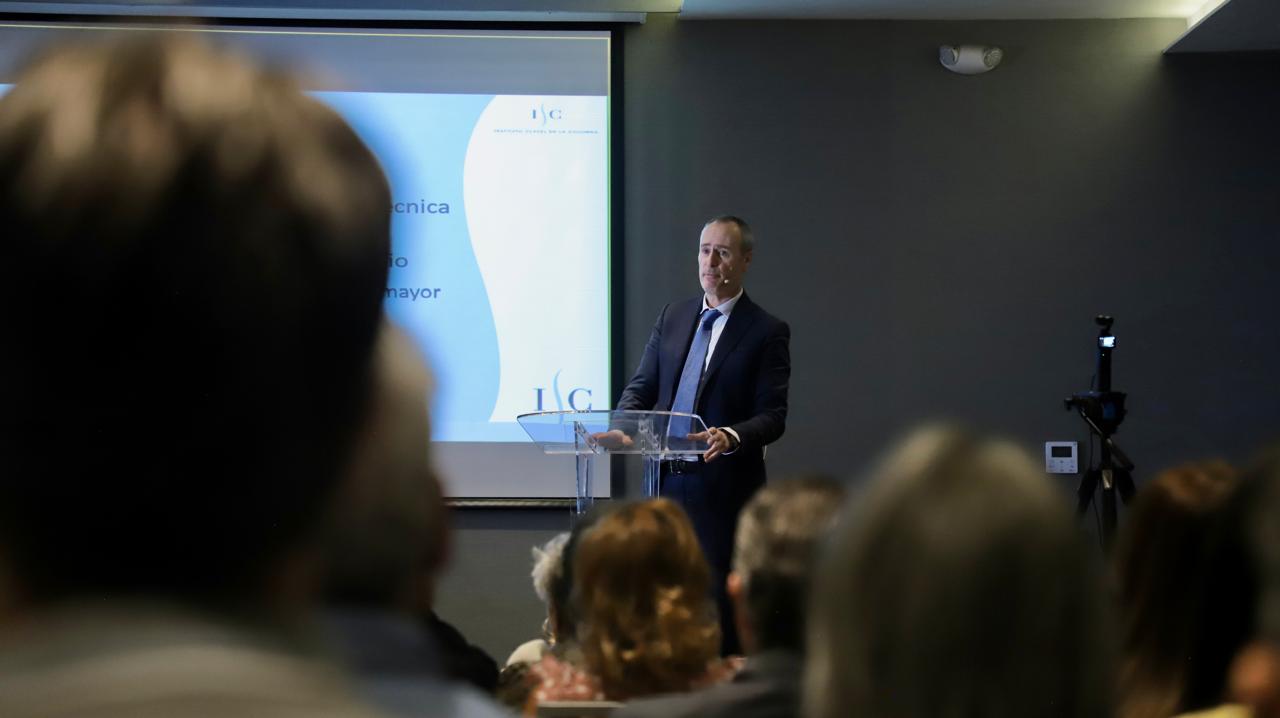
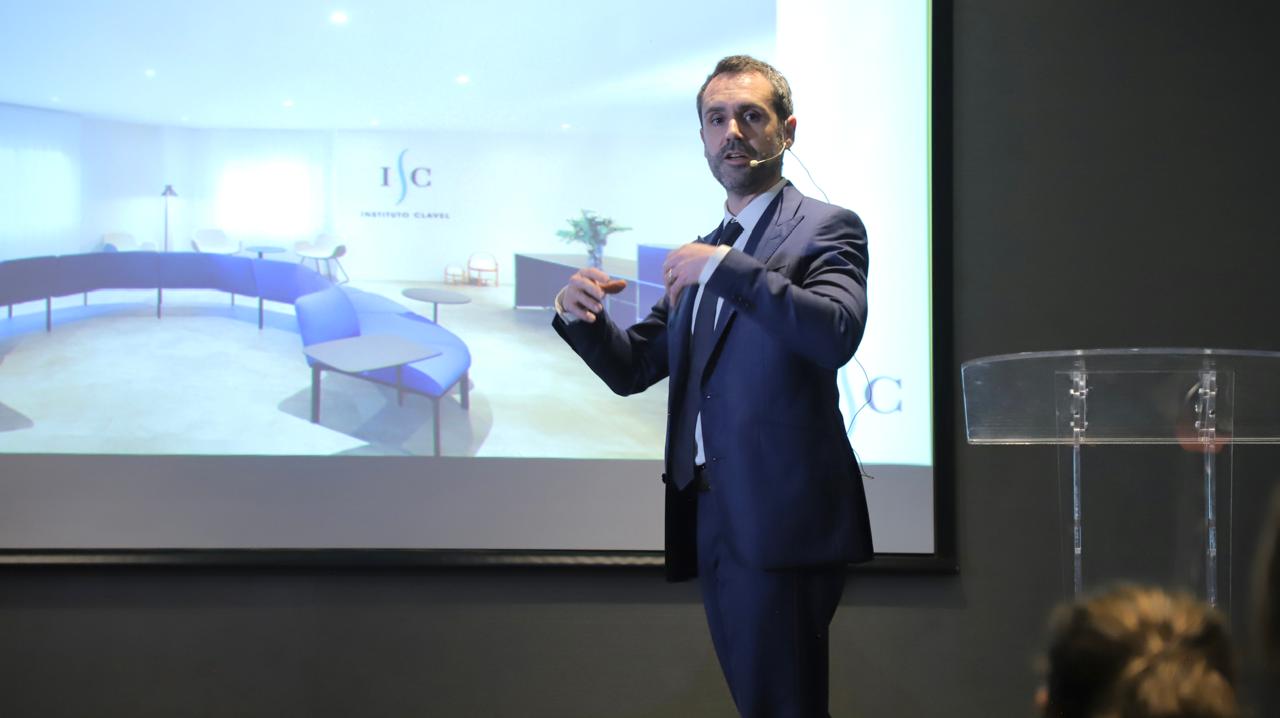
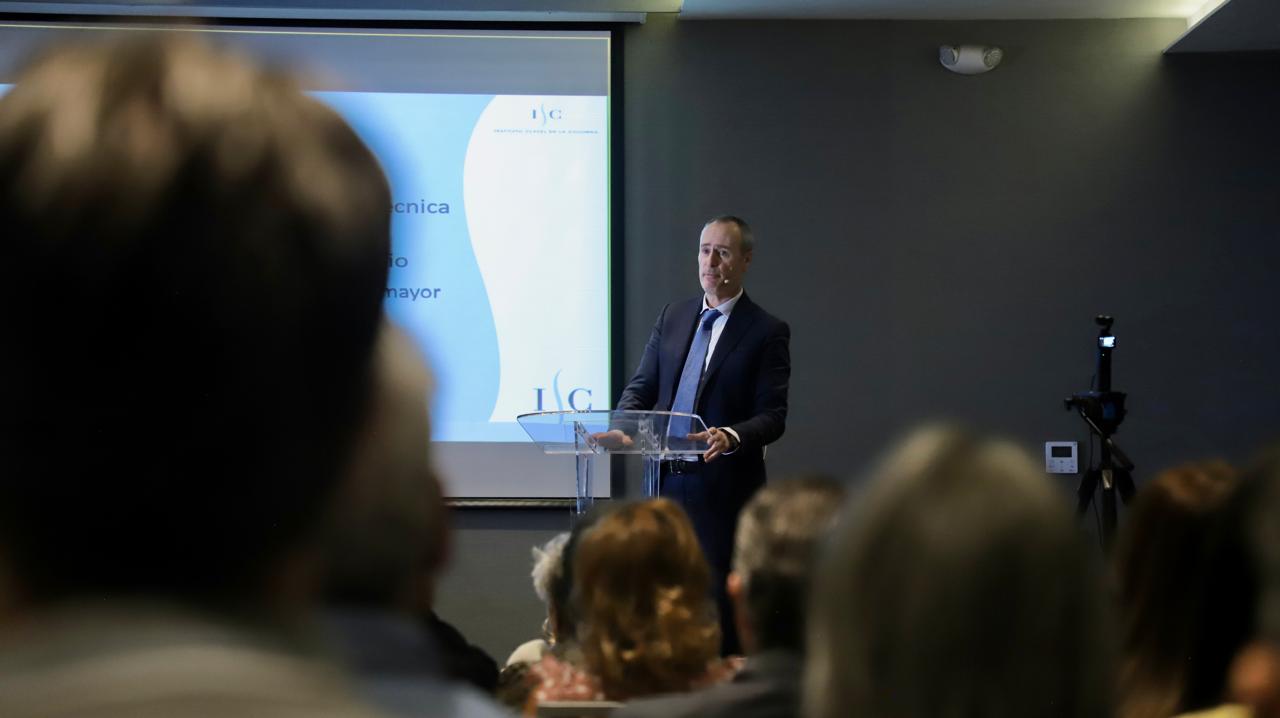
Thanks to robotics, artificial intelligence, and surgical navigation, it is now possible to offer more precise and personalized treatments, reducing complications and improving the quality of life after surgery.
More precision and safety during surgery
New technologies act as a guide inside the operating room. They allow the surgeon to see, in real time, what they are doing and to place implants or screws with a pinpoint accuracy, which translates to greater security and better results.
Key technological advancements:
- Robotics and navigation: Robotic systems help the specialist place the implants exactly where they need to go. This makes surgeries safer and less invasive.
- Intraoperative scanners (CT): they allow obtaining precise images of the patient during the operation, helping the surgeon confirm that everything is in the right place.
- Ultrasonic bone cutter: cuts the bone using ultrasonic waves, avoiding nerve damage and reducing bleeding.
- Intraoperative neurophysiology: monitors the nerves and spinal cord during surgery, alerting the surgeon if there is any irritation or risk of injury.
The medical experience: the value of knowledge and teamwork
While technology is a fundamental tool, the true success of spine surgery lies in the medical team experience and in the careful planning of every detail.
The Clavel Institute features a highly specialized multidisciplinary team, formed by neurosurgeons, traumatologists, anesthesiologists, biomedical engineers, physiotherapists, and surgical nursing staff.
Everyone plays an essential role, from the preoperative planning, the surgery simulation and the execution inside the operating room, until the postoperative rehabilitation.
The Dr. Pablo Clavel is pioneer in the use of artificial disc replacement (ADR), a technique that preserves the natural movement of the spine. Performs this type of surgery lumbar since 2007 y cervical since 1998, which makes it Clavel Institute en one of the most experienced centers in the world in this technique.
This trajectory has made it possible to refine the results and offer a real alternative to spinal fusion, with less pain, greater mobility, and a faster recovery.
“Technology is essential, but the most important thing is to understand each patient, plan their surgery individually, and accompany them throughout the recovery process. Only then does innovation have true meaning.”
Dr. Pablo Clavel, neurosurgeon and founder of the Clavel Institute
Better diagnosis and planning before surgery
Before entering the operating room, technology also plays a key role. Good surgical planning reduces risks and improves the precision of the procedure.
Tools that make a difference:
- Telemetry images (EOS): they offer a complete 3D view of the spine, which allows for planning every step of the surgery in great detail.
- 3D Models: they help to understand the patient's anatomy and anticipate potential challenges before the operation.
- Artificial Intelligence (AI): analyzes images and predicts how the spine will behave after surgery. In cases like scoliosis, it simulates how the posture or the position of the head and hip will change, helping the surgeon choose the best Plan.
Less invasive and faster surgeries
The current trend is to intervene as little as possible, to achieve faster recovery, less pain and smaller scars.
Most prominent techniques:
- Minimally Invasive Surgery (MIS): allows access to the spine with small incisions, reducing bleeding and hospital stay time.
- Spinal endoscopy: using a tube and a tiny camera, the surgeon can work less than a millimeter away from nerve structures, with maximum precision and minimal tissue injury.
- Artificial disc replacement (ADR): Instead of fusing vertebrae, an artificial disc is placed that preserves the natural movement of the spine. This technique is especially beneficial in young or active patients.
Better results and personalized recovery
The true success of modern surgery lies in patient recovery. Today, technology and artificial intelligence allow tailor rehabilitation to the needs of each individual.
- Treatment of complex deformities: The combination of CT, robotics, and navigation makes it possible to correct complicated curves, even in elderly patients.
- AI and wearable tracking: Wearable devices record spinal movement and help the medical team design personalized rehabilitation.
- More efficient surgeries: although minimally invasive techniques are safe, they require experience. As doctors Clavel and Català point out, “the true value lies in the specialist's knowledge, not just in the operating room technology.”
A more precise, humane, and pain-free future
Spine surgery has evolved tremendously in recent years. Today, thanks to the combination of advanced technology and medical expertise, patients can access treatments safer, more effective and with better functional results.
The Clavel Institute has established itself as international benchmark in spine surgery, and its presence in Guatemala reinforces the collaboration between European and Latin American specialists, for the benefit of those seeking recover your quality of life without pain.
Source: